


Maury Strauss Distinguished Public Lecture

Holly Ingraham, Ph.D.
Professor
Cellular and Molecular Pharmacology
University of California, San Francisco
Elected Member
National Academy of Sciences
Maury Strauss Distinguished Public Lecture
Title TBD
Date: Jan. 22, 2026
Time: 5:30 - 6:30 p.m. (Reception and hors d'oeuvres at 5 p.m.)
Additional Details
This is a free event hosted by Dr. Michael Friedlander and the Fralin Biomedical Research Institute. For more information, please call 540-526-2059.
About Maury Strauss
Maury Strauss was a longtime community benefactor and businessman who supported biomedical research with the goal of energizing the local economy and improving quality of life in our neighborhoods and around the world. In order to ensure the continued success of Roanoke’s biomedical research enterprise, as well as the free public seminars, Mr. Strauss made a generous gift to the series. He passed away in June 2024 at age 99.
Support Our Research
Your generous support of the Fralin Biomedical Research Institute's rigorous biomedical research enterprise makes a difference for our faculty, students, and patients. Every donation helps accelerate the pace of new discoveries to help patients with cancer, neurological disorders, heart disease, and even rare genetic disorders. Private donations fast-track our progress.
You May Also Be Interested In...
-
Home Item
 Understanding Vascular Morphogenesis and Morphology: Live Insights from Zebrafish , home
Nov. 21, 2025, 11:00 a.m. | Arndt F. Siekmann, Ph.D., Associate Professor, Cell and Developmental Biology, Perelman School of Medicine, University of Pennsylvania | Co-Sponsored by the Center for Vascular and Heart Research, Fralin Biomedical Research Institute
-
Home Item
 The Metabolic Switch in Development and Degeneration , home
Dec. 12, 2025, 11:00 a.m. | Elizabeth Jonas, M.D., Harvey and Kate Cushing Professor of Internal Medicine (Endocrinology), Yale School of Medicine | Co-Sponsored by the Fralin Biomedical Research Institute Center for Neurobiology Research
-
Home Item
 Innovative Strategies for Overcoming Challenges in Brain Tumor Treatment , home
Jan. 16, 2026, 11:00 a.m. | Kristin Huntoon, Ph.D., D.O., Assistant Professor, Department of Neurosurgery, University of Arizona | Co-Sponsored by the Fralin Biomedical Research Institute Cancer Research Center – Roanoke
-
Home Item
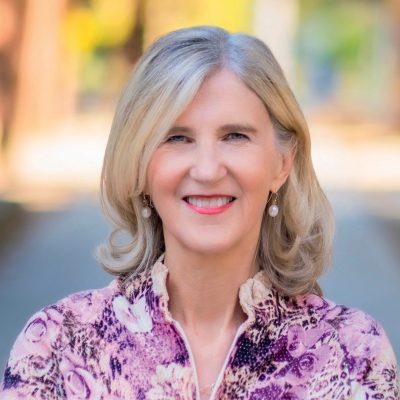 Maury Strauss Distinguished Public Lecture , home
Jan. 22, 2026, 5:30 p.m. (Reception at 5 p.m.) | Holly Ingraham, Ph.D., Professor, Cellular and Molecular Pharmacology; Elected Member, National Academy of Sciences | Maury Strauss Distinguished Public Lecture
-
Home Item
 Policies to Reduce Ultra-processed Foods: Lessons From Around the Globe , home
Jan. 30, 2026, 11:00 a.m. | Lindsey Smith Taillie, Ph.D., MPH, Associate Professor of Nutrition, Associate Chair of Nutrition, Gillings School of Global Public Health, University of North Carolina, Chapel Hill | Co-Sponsored by the Fralin Biomedical Research Institute Center for Health Behaviors Research and Addiction Recovery Research Center
-
Home Item
 AI and Agentic AI: Opportunities for How We Work, Care, Discover, and Share , home
Feb. 5, 2026, 5:30 p.m. (Reception at 5 p.m.) | Vivian S. Lee, M.D., Ph.D., M.B.A., Executive Fellow, Harvard Business School; Senior Lecturer, Harvard Medical School; Elected Member, National Academy of Medicine | Maury Strauss Distinguished Public Lecture