


In Person Special Seminar: Involvement of Non-canonical Inflammatory Response in Tissue Dysfunction of Several Chronic Diseases
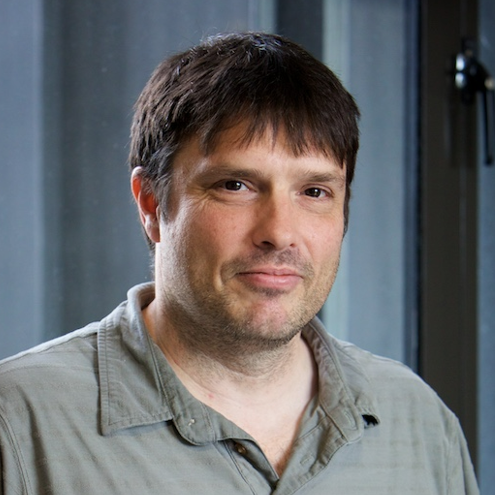
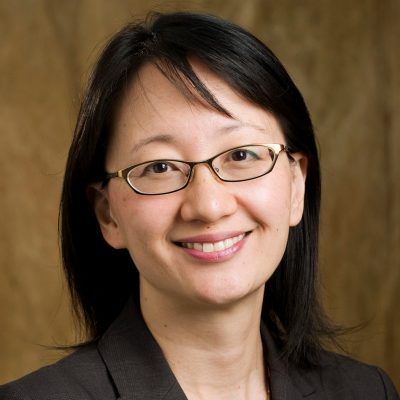
David Crossman, Ph.D.
Academic Director, Biomedical Research Imaging Unit
Senior Research Fellow, Heart Foundation of New Zealand
Cardiac Nanobiology Research Group
Department of Physiology
School of Medical Sciences
Waipapa Taumata Rau | The University of Auckland
In Person Seminar: Fibrosis and Aberrant Ca2+ Handling in the Failing Heart
Date: Feb. 15, 2024
Time: 11 a.m.
About this Seminar
Fibrosis and aberrant Ca2+ handling are hallmarks of heart failure but are considered separate features. However, the fibrotic disposition of nanometer-sized collagen fibrils, particularly collagen VI (ColVI), may directly diminish Ca2+signalling in human heart failure. Using super-resolution microscopy Dr. Crossman and his team found increased ColVI within the transverse(t)-tubules. Moreover, t-tubule remodeling disrupts Ca2+ signaling in heart failure. Recently, circulating levels of ColVI were found to independently associate with poor outcomes in heart failure. While the importance of ColVI to skeletal muscle function is underscored by its mutation causing muscular dystrophy, its role in cardiac contraction remains poorly understood. Significantly, muscular dystrophy patients often develop heart failure. To understand the role of ColVI in the heart the lab created a knockout of this gene in the rat (Col6a1-/-). Echocardiography showed both impaired systolic and diastolic function. Cardiac myocytes from Col6a1-/- have increased systolic Ca2+transient and greater response to b-adrenergic stimulation that is pro-arrhythmogenic. Similar disturbance in Ca2+ handling is found in the cardiac myocytes of the mdx mouse which has non-functional dystrophin supporting our hypothesis that ColVI is part of the dystrophin-glycoprotein-complex and may have a role in regulating Ca2+ dynamics.
You May Also Be Interested In...
-
Home Item
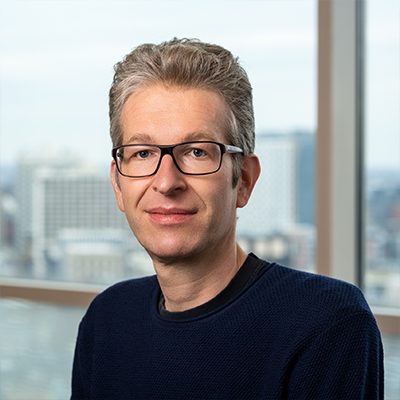 Understanding Vascular Morphogenesis and Morphology: Live Insights from Zebrafish , home
Nov. 21, 2025, 11:00 a.m. | Arndt F. Siekmann, Ph.D., Associate Professor, Cell and Developmental Biology, Perelman School of Medicine, University of Pennsylvania | Co-Sponsored by the Center for Vascular and Heart Research, Fralin Biomedical Research Institute
-
Home Item
 The Metabolic Switch in Development and Degeneration , home
Dec. 12, 2025, 11:00 a.m. | Elizabeth Jonas, M.D., Harvey and Kate Cushing Professor of Internal Medicine (Endocrinology), Yale School of Medicine | Co-Sponsored by the Fralin Biomedical Research Institute Center for Neurobiology Research
-
Home Item
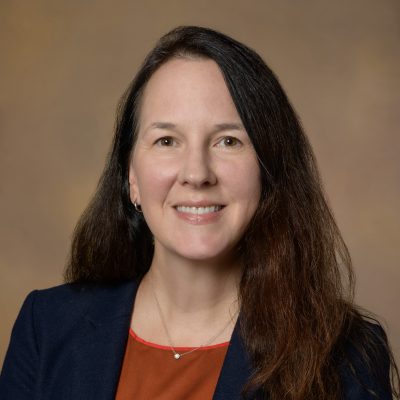 Innovative Strategies for Overcoming Challenges in Brain Tumor Treatment , home
Jan. 16, 2026, 11:00 a.m. | Kristin Huntoon, Ph.D., D.O., Assistant Professor, Department of Neurosurgery, University of Arizona | Co-Sponsored by the Fralin Biomedical Research Institute Cancer Research Center – Roanoke
-
Home Item
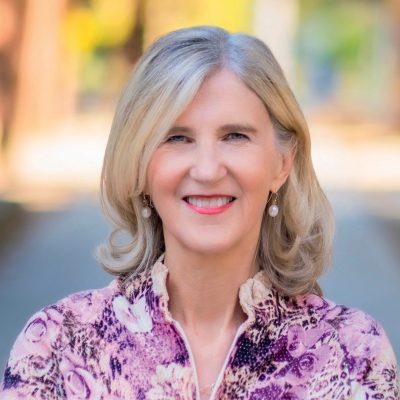 Maury Strauss Distinguished Public Lecture , home
Jan. 22, 2026, 5:30 p.m. (Reception at 5 p.m.) | Holly Ingraham, Ph.D., Professor, Cellular and Molecular Pharmacology; Elected Member, National Academy of Sciences | Maury Strauss Distinguished Public Lecture
-
Home Item
 Policies to Reduce Ultra-processed Foods: Lessons From Around the Globe , home
Jan. 30, 2026, 11:00 a.m. | Lindsey Smith Taillie, Ph.D., MPH, Associate Professor of Nutrition, Associate Chair of Nutrition, Gillings School of Global Public Health, University of North Carolina, Chapel Hill | Co-Sponsored by the Fralin Biomedical Research Institute Center for Health Behaviors Research and Addiction Recovery Research Center
-
Home Item
 AI and Agentic AI: Opportunities for How We Work, Care, Discover, and Share , home
Feb. 5, 2026, 5:30 p.m. (Reception at 5 p.m.) | Vivian S. Lee, M.D., Ph.D., M.B.A., Executive Fellow, Harvard Business School; Senior Lecturer, Harvard Medical School; Elected Member, National Academy of Medicine | Maury Strauss Distinguished Public Lecture