


Organization and Control of Hippocampal Networks

Ivan Soltesz, Ph.D.
James R. Doty Professor of Neurosurgery and Neurosciences
Stanford University
Pioneers in Biomedical Research Seminar
Organization and Control of Hippocampal Networks
Date: Oct. 17, 2025
Time: 11 a.m. to noon
In-person: Room G101 A/B, 4 Riverside Circle, Roanoke, Virginia
About this Seminar
When animals are in an off-line, non-locomotor behavioral state, neuronal activity in the hippocampus is thought to be largely disengaged from the present setting to enable cognitive mechanisms such as memory consolidation and planning. But how does the brain re-engage with the present surroundings during this behavioral state and permit access to current sensory information or promote new memory formation? Dr. Soltesz will present recent results that indicate that dentate spikes may support associative memory during non-locomotor behavior, extending the repertoire of cognitive processes beyond the classical “off-line” functions. In the second part of the talk, he will show new evidence that suggests that a rarely studied part of the hippocampus, the Fasciola cinereum, may play surprisingly significant roles as a novel site of seizure onset and target for interventions in temporal lobe epilepsy in both mice and humans.
Additional Details
This is a free event hosted by the Fralin Biomedical Research Institute and co-sponsored by the institute's Center for Neurobiology Research. The Pioneers in Biomedical Research Seminar Series, which runs annually from September to May, has featured leading biomedical researchers from throughout the country since the program began in 2012. The lectures are also open to all members of the Virginia Tech community including graduate students, undergraduates, faculty, and staff, as well as the public.
You May Also Be Interested In...
-
Home Item
 The Metabolic Switch in Development and Degeneration , home
Dec. 12, 2025, 11:00 a.m. | Elizabeth Jonas, M.D., Harvey and Kate Cushing Professor of Internal Medicine (Endocrinology), Yale School of Medicine | Co-Sponsored by the Fralin Biomedical Research Institute Center for Neurobiology Research
-
Home Item
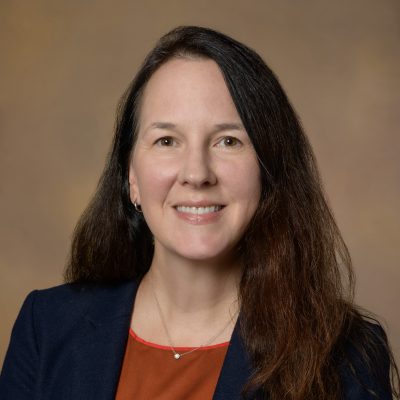 Innovative Strategies for Overcoming Challenges in Brain Tumor Treatment , home
Jan. 16, 2026, 11:00 a.m. | Kristin Huntoon, Ph.D., D.O., Assistant Professor, Department of Neurosurgery, University of Arizona | Co-Sponsored by the Fralin Biomedical Research Institute Cancer Research Center – Roanoke
-
Home Item
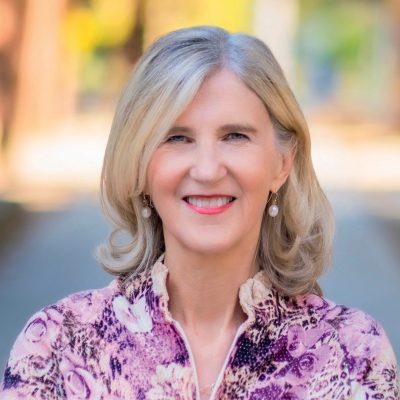 Maury Strauss Distinguished Public Lecture , home
Jan. 22, 2026, 5:30 p.m. (Reception at 5 p.m.) | Holly Ingraham, Ph.D., Professor, Cellular and Molecular Pharmacology; Elected Member, National Academy of Sciences | Maury Strauss Distinguished Public Lecture
-
Home Item
 Policies to Reduce Ultra-processed Foods: Lessons From Around the Globe , home
Jan. 30, 2026, 11:00 a.m. | Lindsey Smith Taillie, Ph.D., MPH, Associate Professor of Nutrition, Associate Chair of Nutrition, Gillings School of Global Public Health, University of North Carolina, Chapel Hill | Co-Sponsored by the Fralin Biomedical Research Institute Center for Health Behaviors Research and Addiction Recovery Research Center
-
Home Item
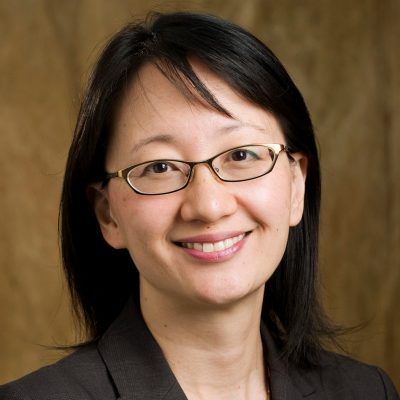 AI and Agentic AI: Opportunities for How We Work, Care, Discover, and Share , home
Feb. 5, 2026, 5:30 p.m. (Reception at 5 p.m.) | Vivian S. Lee, M.D., Ph.D., M.B.A., Executive Fellow, Harvard Business School; Senior Lecturer, Harvard Medical School; Elected Member, National Academy of Medicine | Maury Strauss Distinguished Public Lecture
-
Home Item
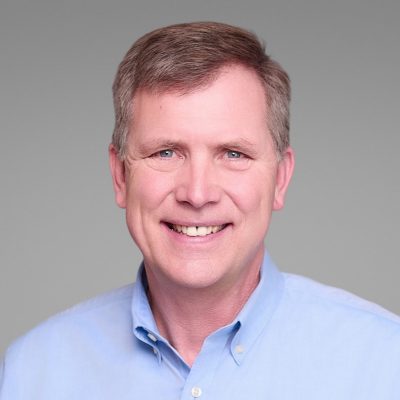 Early Childhood Brain Development and Risk for Schizophrenia , home
Feb. 13, 2026, 11 a.m. | John Gilmore, M.D., Eure Distinguished Professor and Vice Chair for Research, Department of Psychiatry, University of North Carolina School of Medicine | Co-Sponsored by the Fralin Biomedical Research Institute Center for Human Neuroscience Research