


In Person Seminar: Cytoskeletal Control of Local Protein Synthesis and Directed Cardiac Growth
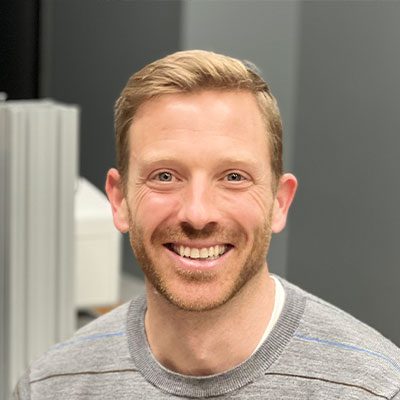
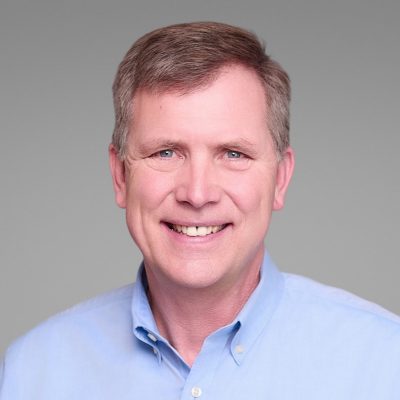
Benjamin Prosser, Ph.D.
Associate Professor
Physiology
Associate Director, Pennsylvania Muscle Institute
Director, Center for Epilepsy and NeuroDevelopmental Disorders
Perelman School of Medicine
University of Pennsylvania
Pioneers in Biomedical Research Seminar: Cytoskeletal Control of Local Protein Synthesis and Directed Cardiac Growth
Date: Feb. 23, 2024
Time: 11 a.m. - 12 p.m.
Archived video
About this Seminar
In response to stress, adaptive or maladaptive remodeling of heart muscle cells (i.e. cardiomyocyte hypertrophy) helps dictate the resulting structure and performance of the heart. Dr. Prosser and his lab find that upon increased demand, the cardiomyocyte microtubule network orchestrates the subcellular transport and positioning of mRNAs and the translational machinery to control where and when new protein synthesis occurs. Microtubule-based transport thus represents a novel, tunable mechanism to control and bias “local translation” in striated muscle, enabling the directed growth of cardiomyocytes to regulate cardiac form and function.
Additional Details
This is a free event hosted by the Fralin Biomedical Research Institute and co-sponsored by the institute's Center for Vascular and Heart Research. The Pioneers in Biomedical Research Seminar Series, which runs annually from September to May, has featured leading biomedical researchers from throughout the country since the program began in 2012. The lectures are also open to all members of the Virginia Tech community including graduate students, undergraduates, faculty, and staff, as well as the public.
You May Also Be Interested In...
-
Home Item
 The Metabolic Switch in Development and Degeneration , home
Dec. 12, 2025, 11:00 a.m. | Elizabeth Jonas, M.D., Harvey and Kate Cushing Professor of Internal Medicine (Endocrinology), Yale School of Medicine | Co-Sponsored by the Fralin Biomedical Research Institute Center for Neurobiology Research
-
Home Item
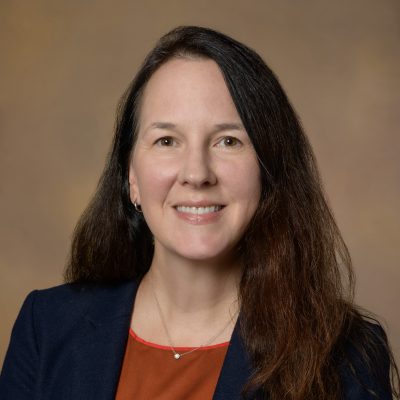 Innovative Strategies for Overcoming Challenges in Brain Tumor Treatment , home
Jan. 16, 2026, 11:00 a.m. | Kristin Huntoon, Ph.D., D.O., Assistant Professor, Department of Neurosurgery, University of Arizona | Co-Sponsored by the Fralin Biomedical Research Institute Cancer Research Center – Roanoke
-
Home Item
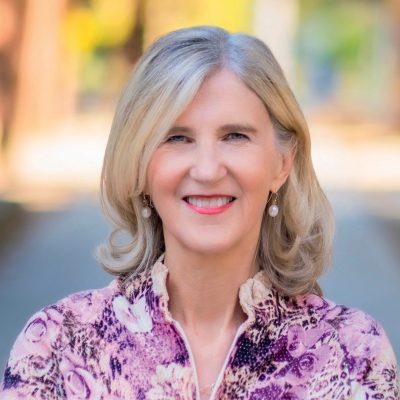 Maury Strauss Distinguished Public Lecture , home
Jan. 22, 2026, 5:30 p.m. (Reception at 5 p.m.) | Holly Ingraham, Ph.D., Professor, Cellular and Molecular Pharmacology; Elected Member, National Academy of Sciences | Maury Strauss Distinguished Public Lecture
-
Home Item
 Policies to Reduce Ultra-processed Foods: Lessons From Around the Globe , home
Jan. 30, 2026, 11:00 a.m. | Lindsey Smith Taillie, Ph.D., MPH, Associate Professor of Nutrition, Associate Chair of Nutrition, Gillings School of Global Public Health, University of North Carolina, Chapel Hill | Co-Sponsored by the Fralin Biomedical Research Institute Center for Health Behaviors Research and Addiction Recovery Research Center
-
Home Item
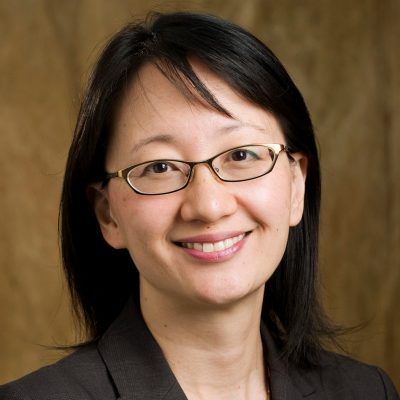 AI and Agentic AI: Opportunities for How We Work, Care, Discover, and Share , home
Feb. 5, 2026, 5:30 p.m. (Reception at 5 p.m.) | Vivian S. Lee, M.D., Ph.D., M.B.A., Executive Fellow, Harvard Business School; Senior Lecturer, Harvard Medical School; Elected Member, National Academy of Medicine | Maury Strauss Distinguished Public Lecture
-
Home Item
 Early Childhood Brain Development and Risk for Schizophrenia , home
Feb. 13, 2026, 11 a.m. | John Gilmore, M.D., Eure Distinguished Professor and Vice Chair for Research, Department of Psychiatry, University of North Carolina School of Medicine | Co-Sponsored by the Fralin Biomedical Research Institute Center for Human Neuroscience Research