


Biobehavioral Susceptibility for Obesity: Behavioral, Genetic and Neuroimaging Studies of Appetite

Susan Carnell, Ph.D.
Associate Professor
Division of Child and Adolescent Psychiatry
Department of Psychiatry and Behavioral Science
Johns Hopkins University School of Medicine
Pioneers in Biomedical Research Seminar
Biobehavioral Susceptibility for Obesity: Behavioral, Genetic and Neuroimaging Studies of Appetite
Date: Sept. 6, 2024
Time: 11 a.m. - 12 p.m.
About this Seminar
We all inhabit an ‘obesogenic’ environment, yet not everyone develops obesity. This may be in part because individuals differ in early-appearing appetitive characteristics (e.g. food responsiveness and satiety responsiveness) that begin to influence body weight as early as infancy. A significant body of work has used standardized behavioral tests and validated questionnaires to demonstrate that appetitive characteristics track through development, predict adiposity, and show genetic influence. Recent investigations using neuroimaging techniques are beginning to explore the neural underpinnings of these characteristics, and how genetic and environmental factors influence appetite and underlying brain circuits. The biobehavioral susceptibility model of obesity development and maintenance that this evidence supports has implications for prevention and treatment of obesity throughout the life course.
Additional Details
This is a free event hosted by the Fralin Biomedical Research Institute and co-sponsored by the institute's Center for Health Behaviors Research and the Addiction Recovery Research Center. The Pioneers in Biomedical Research Seminar Series, which runs annually from September to May, has featured leading biomedical researchers from throughout the country since the program began in 2012. The lectures are also open to all members of the Virginia Tech community including graduate students, undergraduates, faculty, and staff, as well as the public.
You May Also Be Interested In...
-
Home Item
 How Fluid Flow Shapes the Brain: Cancer and Cognitive Function , home
Oct. 30, 2025, 5:30 p.m. (Reception at 5 p.m.) | Jennifer Munson, Ph.D., Professor and Director, Cancer Research Center — Roanoke, Fralin Biomedical Research Institute; Professor, Department of Biomedical Engineering and Mechanics, Virginia Tech College of Engineering | Maury Strauss Distinguished Public Lecture
-
Home Item
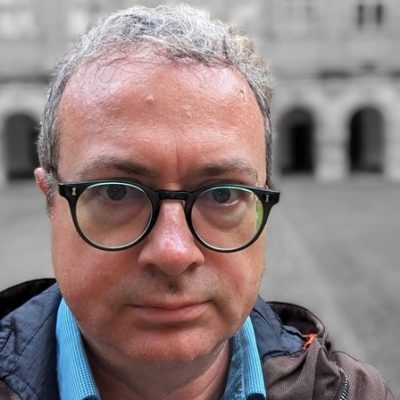 Thinking the Right Thoughts , home
Oct. 31, 2025, 11 a.m. | Nathaniel Daw, Ph.D., Professor, Computational and Theoretical Neuroscience, Department of Psychology, Princeton University | Co-Sponsored by the Fralin Biomedical Research Institute Center for Human Neuroscience Research
-
Home Item
 Pandemics — The Lessons I've Learned , home
Nov. 6, 2025, 5:30 p.m. (Reception at 5 p.m.) | Teresa Lambe, Ph.D., OBE, Calleva Head of Vaccine Immunology, Professor of Vaccinology and Immunology, University of Oxford | Maury Strauss Distinguished Public Lecture
-
Home Item
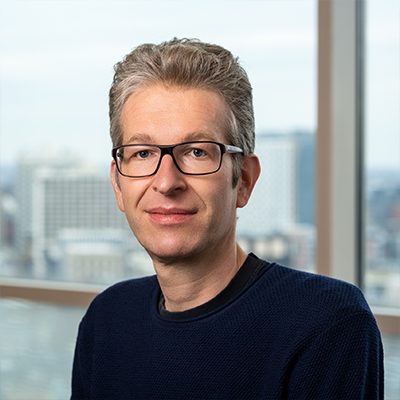 Understanding Vascular Morphogenesis and Morphology: Live Insights from Zebrafish , home
Nov. 21, 2025, 11:00 a.m. | Arndt F. Siekmann, Ph.D., Associate Professor, Cell and Developmental Biology, Perelman School of Medicine, University of Pennsylvania | Co-Sponsored by the Center for Vascular and Heart Research, Fralin Biomedical Research Institute
-
Home Item
 The Metabolic Switch in Development and Degeneration , home
Dec. 12, 2025, 11:00 a.m. | Elizabeth Jonas, M.D., Harvey and Kate Cushing Professor of Internal Medicine (Endocrinology), Yale School of Medicine | Co-Sponsored by the Fralin Biomedical Research Institute Center for Neurobiology Research
-
Home Item
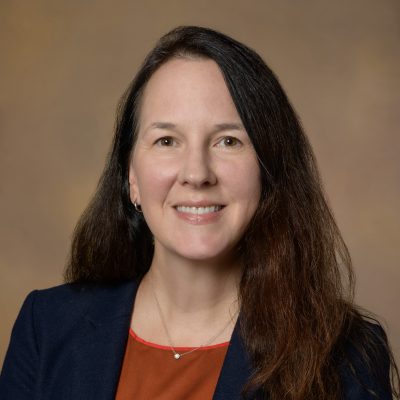 Innovative Strategies for Overcoming Challenges in Brain Tumor Treatment , home
Jan. 16, 2026, 11:00 a.m. | Kristin Huntoon, Ph.D., D.O., Assistant Professor, Department of Neurosurgery, University of Arizona | Co-Sponsored by the Fralin Biomedical Research Institute Cancer Research Center – Roanoke