


Harnessing Interoception: Innovative Approaches for Psychiatric Assessment and Intervention

Sahib Khalsa, M.D., Ph.D.
Associate Professor
Louis Jolyon West Innovation Chair
Director of Anxiety Disorders Research
Semel Institute for Neuroscience and Human Behavior
University of California, Los Angeles
Pioneers in Biomedical Research Seminar
Harnessing Interoception: Innovative Approaches for Psychiatric Assessment and Intervention
Date: Oct. 25, 2024
Time: 11 a.m. - 12 p.m.
About this Seminar
Our internal organs emit sensory signals that propagate through the body before reaching the nervous system, influencing consciousness when the body's physiology is perturbed or under threat. These signals facilitate the brain's generation of accurate internal models, allowing individuals to anticipate and prevent adverse outcomes. Interoception is thus crucial for linking internal sensations with body regulation, maintaining homeostasis, and promoting health. Abnormal interoception plays a key role in anxiety, mood, and eating disorders, suggesting that addressing interoceptive dysfunctions could improve diagnosis and treatment. In this talk, Dr. Khalsa will discuss the connection between interoception and these disorders, highlighting innovative probes for studying heart-brain and gut-brain communication to identify modifiable treatment targets.
Additional Details
This is a free event hosted by the Fralin Biomedical Research Institute and co-sponsored by the institute's Center for Health Behaviors Research and the Addiction Recovery Research Center. The Pioneers in Biomedical Research Seminar Series, which runs annually from September to May, has featured leading biomedical researchers from throughout the country since the program began in 2012. The lectures are also open to all members of the Virginia Tech community including graduate students, undergraduates, faculty, and staff, as well as the public.
You May Also Be Interested In...
-
Home Item
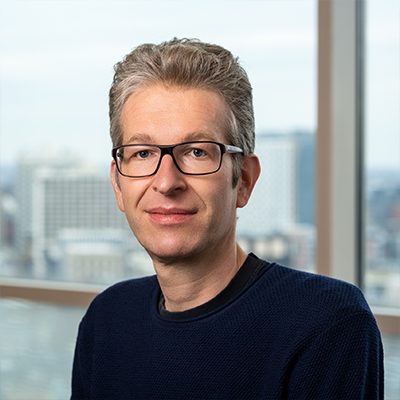 Understanding Vascular Morphogenesis and Morphology: Live Insights from Zebrafish , home
Nov. 21, 2025, 11:00 a.m. | Arndt F. Siekmann, Ph.D., Associate Professor, Cell and Developmental Biology, Perelman School of Medicine, University of Pennsylvania | Co-Sponsored by the Center for Vascular and Heart Research, Fralin Biomedical Research Institute
-
Home Item
 The Metabolic Switch in Development and Degeneration , home
Dec. 12, 2025, 11:00 a.m. | Elizabeth Jonas, M.D., Harvey and Kate Cushing Professor of Internal Medicine (Endocrinology), Yale School of Medicine | Co-Sponsored by the Fralin Biomedical Research Institute Center for Neurobiology Research
-
Home Item
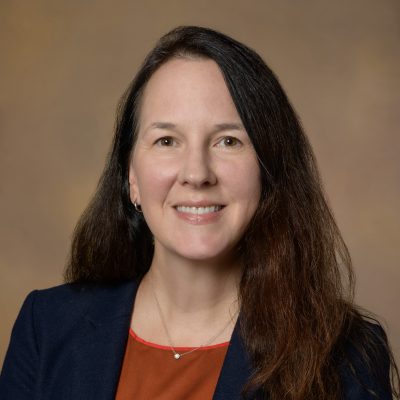 Innovative Strategies for Overcoming Challenges in Brain Tumor Treatment , home
Jan. 16, 2026, 11:00 a.m. | Kristin Huntoon, Ph.D., D.O., Assistant Professor, Department of Neurosurgery, University of Arizona | Co-Sponsored by the Fralin Biomedical Research Institute Cancer Research Center – Roanoke
-
Home Item
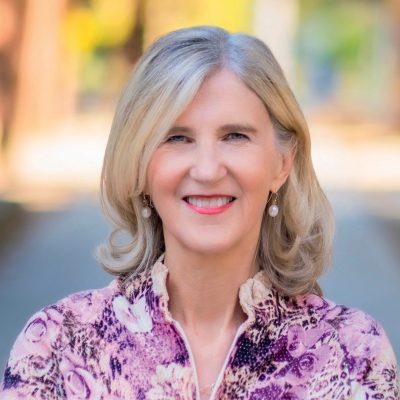 Maury Strauss Distinguished Public Lecture , home
Jan. 22, 2026, 5:30 p.m. (Reception at 5 p.m.) | Holly Ingraham, Ph.D., Professor, Cellular and Molecular Pharmacology; Elected Member, National Academy of Sciences | Maury Strauss Distinguished Public Lecture
-
Home Item
 Policies to Reduce Ultra-processed Foods: Lessons From Around the Globe , home
Jan. 30, 2026, 11:00 a.m. | Lindsey Smith Taillie, Ph.D., MPH, Associate Professor of Nutrition, Associate Chair of Nutrition, Gillings School of Global Public Health, University of North Carolina, Chapel Hill | Co-Sponsored by the Fralin Biomedical Research Institute Center for Health Behaviors Research and Addiction Recovery Research Center
-
Home Item
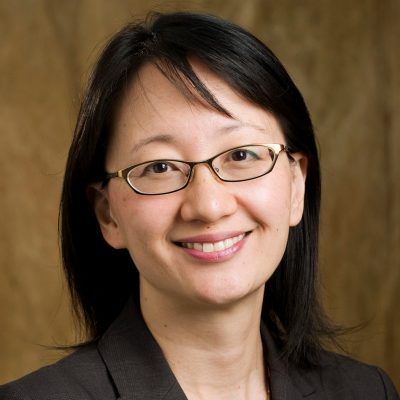 AI and Agentic AI: Opportunities for How We Work, Care, Discover, and Share , home
Feb. 5, 2026, 5:30 p.m. (Reception at 5 p.m.) | Vivian S. Lee, M.D., Ph.D., M.B.A., Executive Fellow, Harvard Business School; Senior Lecturer, Harvard Medical School; Elected Member, National Academy of Medicine | Maury Strauss Distinguished Public Lecture